Step 01
Access and Staging Review
We confirm gate width, driveway staging space, and haul-out route before the removal crew arrives to avoid access problems on the day of work.
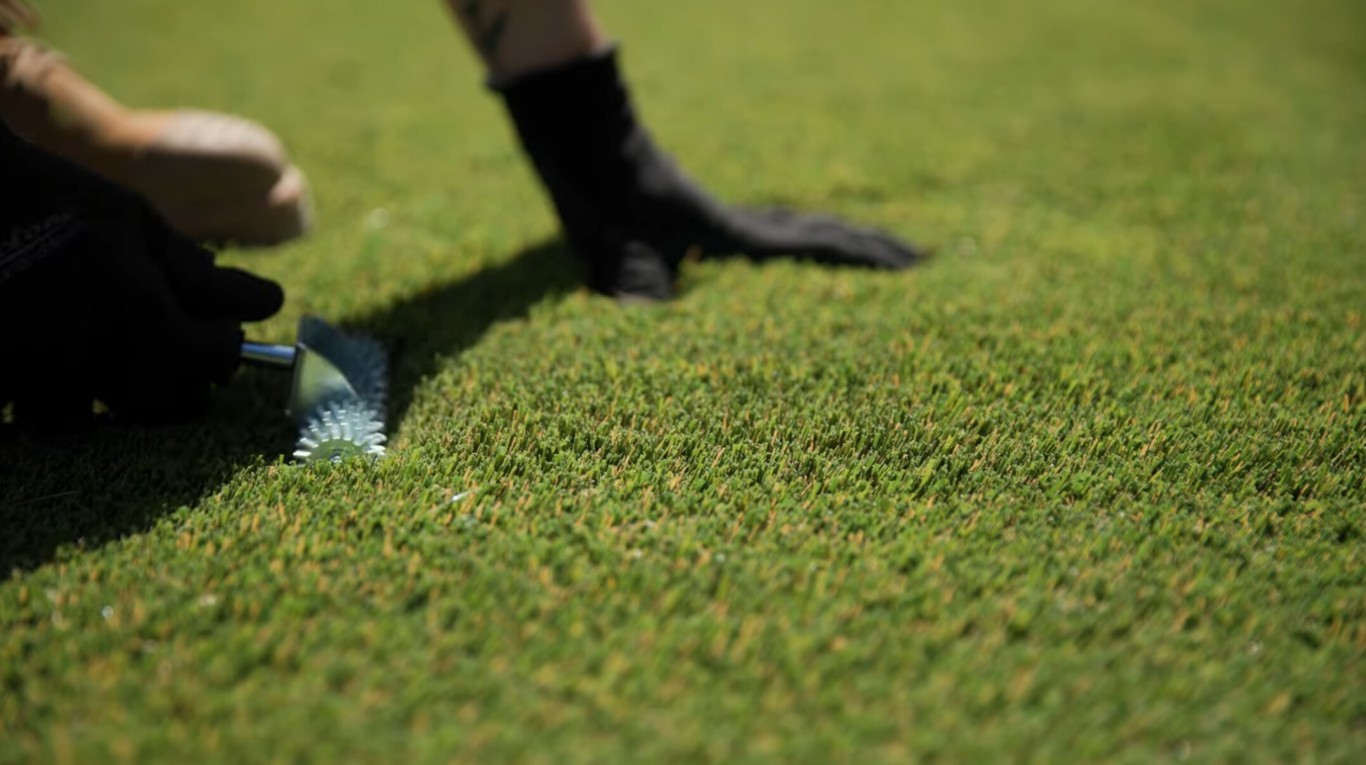
Old turf removed clean and hauled out before the new install begins — no leaving that problem for someone else to deal with.
Service Introduction
Artificial turf doesn't last forever. Most residential installs in Spring and Klein have a functional life somewhere between ten and fifteen years depending on the original installation quality, the traffic load, and how the surface was maintained. When an install reaches the end of its useful life — or when a homeowner buys a Spring-area property with degraded turf that needs to come out before new turf goes in — Artificial Turf of Spring handles the removal and disposal as a standalone service or as part of a full replacement project.
Removing artificial turf isn't complicated, but it's heavy, bulky work. A standard residential backyard install produces a significant volume of rolled turf and base material that needs to be hauled off the property. In Spring and Klein-area yards with narrow gate access, staging the haul-out without blocking the driveway or tearing up the fence line requires some planning. We handle the logistics — cutting the existing turf into manageable sections, loading it out through whatever access is available, and removing the material from the property rather than leaving it stacked in the driveway.
For replacement projects, turf removal is typically the first step before new base prep begins. The condition of the existing base matters. Sometimes the old base is in adequate condition and can be leveled and reused with minimal additional work. More often, Spring's clay soil has caused enough movement in the existing base that it needs to be corrected or partially rebuilt before new turf goes down. We assess the base condition after the old turf comes off and give you a clear picture of what the new install will require.
For removal-only projects — properties where the homeowner wants the turf out but isn't immediately replacing it, or where the yard is being redesigned for a different purpose — we provide removal and disposal independently. This includes the turf material, the infill that comes up with it, and any nails or anchor hardware that can be safely removed.
Step 01
We confirm gate width, driveway staging space, and haul-out route before the removal crew arrives to avoid access problems on the day of work.
Step 02
Existing turf is cut into sections that can be moved through available access and rolled or folded for efficient loading.
Step 03
Anchor nails and other fasteners are removed from the surface area where accessible. We note any hardware that's too deeply set to remove without base disturbance.
Step 04
All removed material is loaded and removed from the property. We don't leave removed turf stacked on-site unless specifically requested.
Step 05
After the old turf is off, we assess the base condition and give you a clear answer about what it will need before new turf installation can proceed.
Removing a ten-plus-year-old residential install in Spring or Klein that has reached the end of its useful life before a full replacement project begins.
Buyers who purchased a Spring or Klein home with existing turf in poor condition that needs to come out before new landscaping decisions are made.
Cases where turf was installed poorly — drainage failure, significant surface distortion, or base separation — and the only viable fix is removal and replacement.
Homeowners who want to remove existing turf to install a pool, patio expansion, garden beds, or other features that require a different surface.
Landlords or property managers removing degraded turf at a Spring or Klein rental property before the property is retenanted or relisted for sale.
Artificial Turf of Spring handles turf removal and disposal throughout Spring, Klein, Tomball, Cypress, The Woodlands, Humble, and surrounding north Houston neighborhoods. Removal service is available standalone or coordinated with a replacement installation.
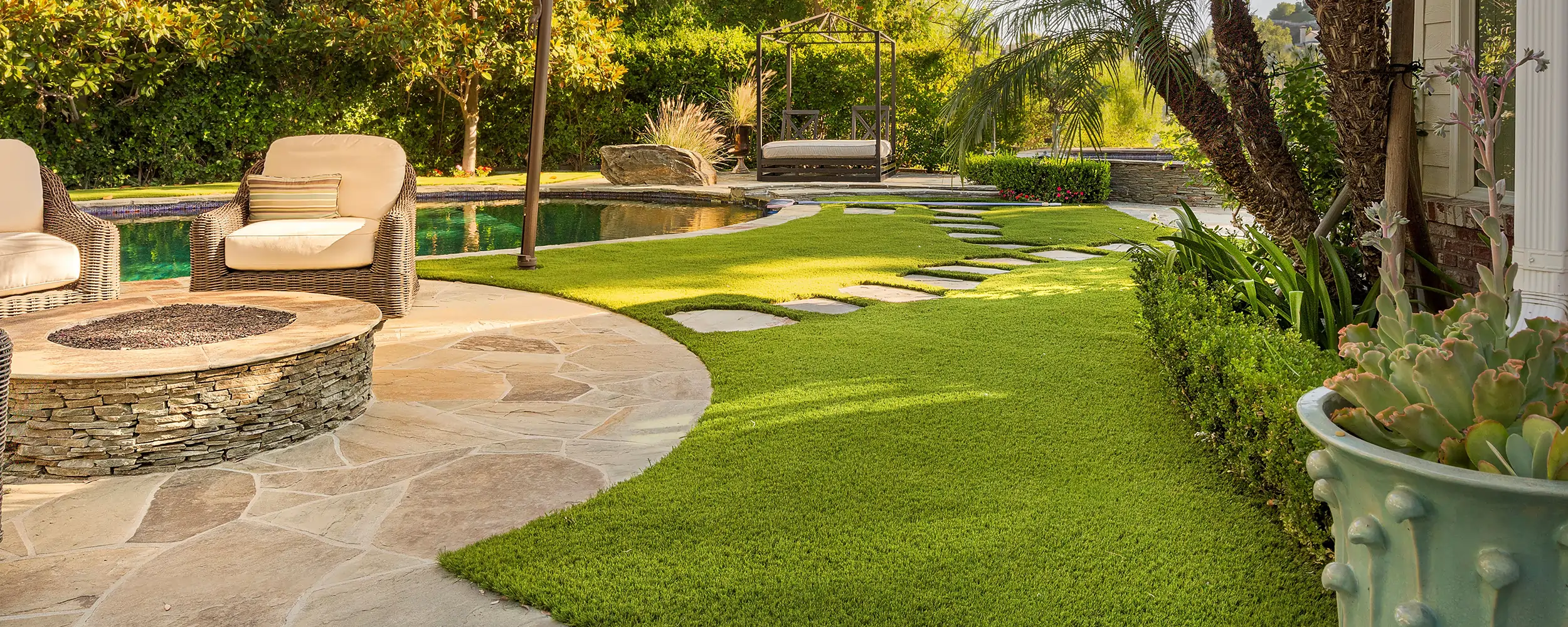
Custom residential turf systems for front yards, backyards, side yards, and outdoor living spaces in Spring, TX.
Learn More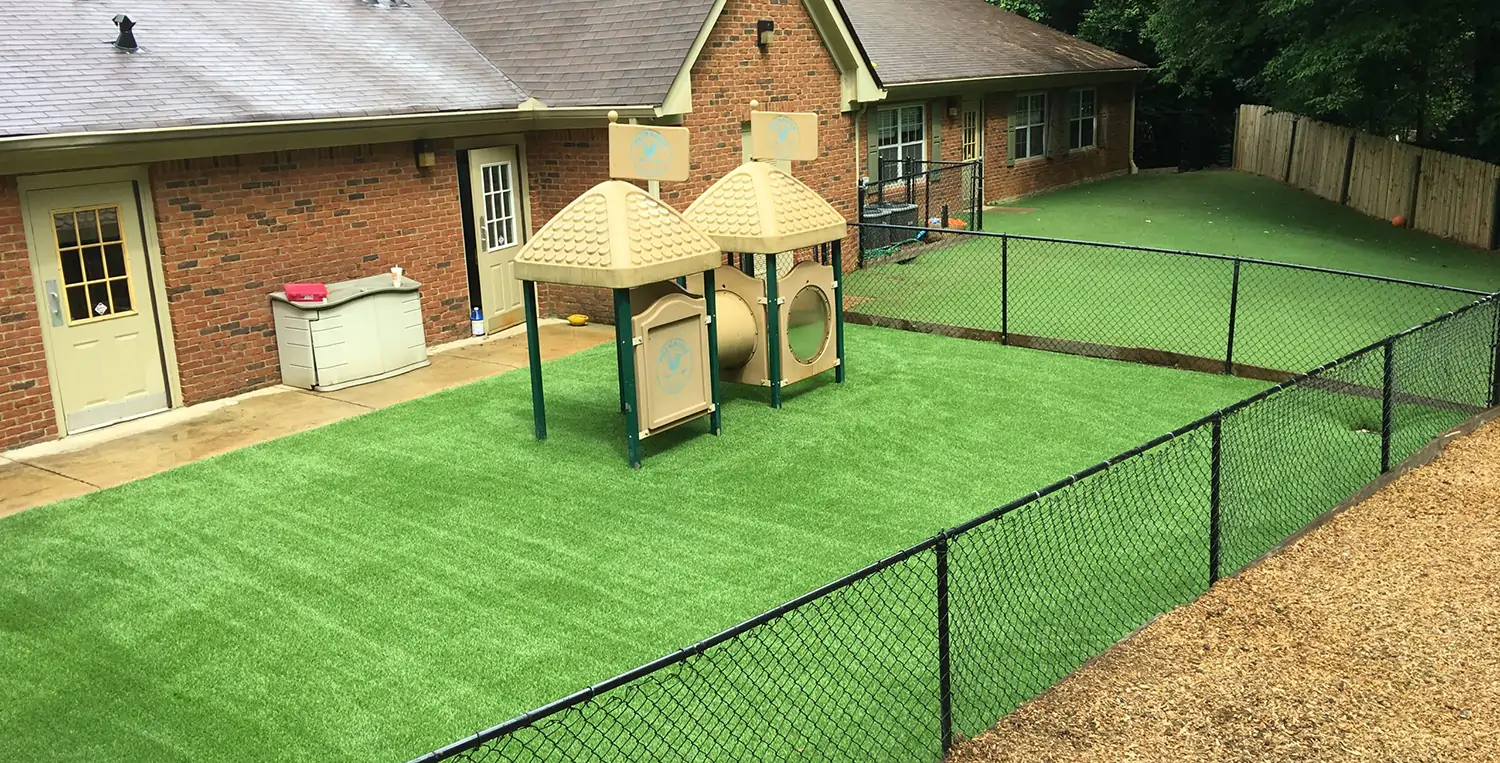
Pet-focused synthetic grass layouts with drainage-first base prep and practical cleanup planning for Spring households.
Learn More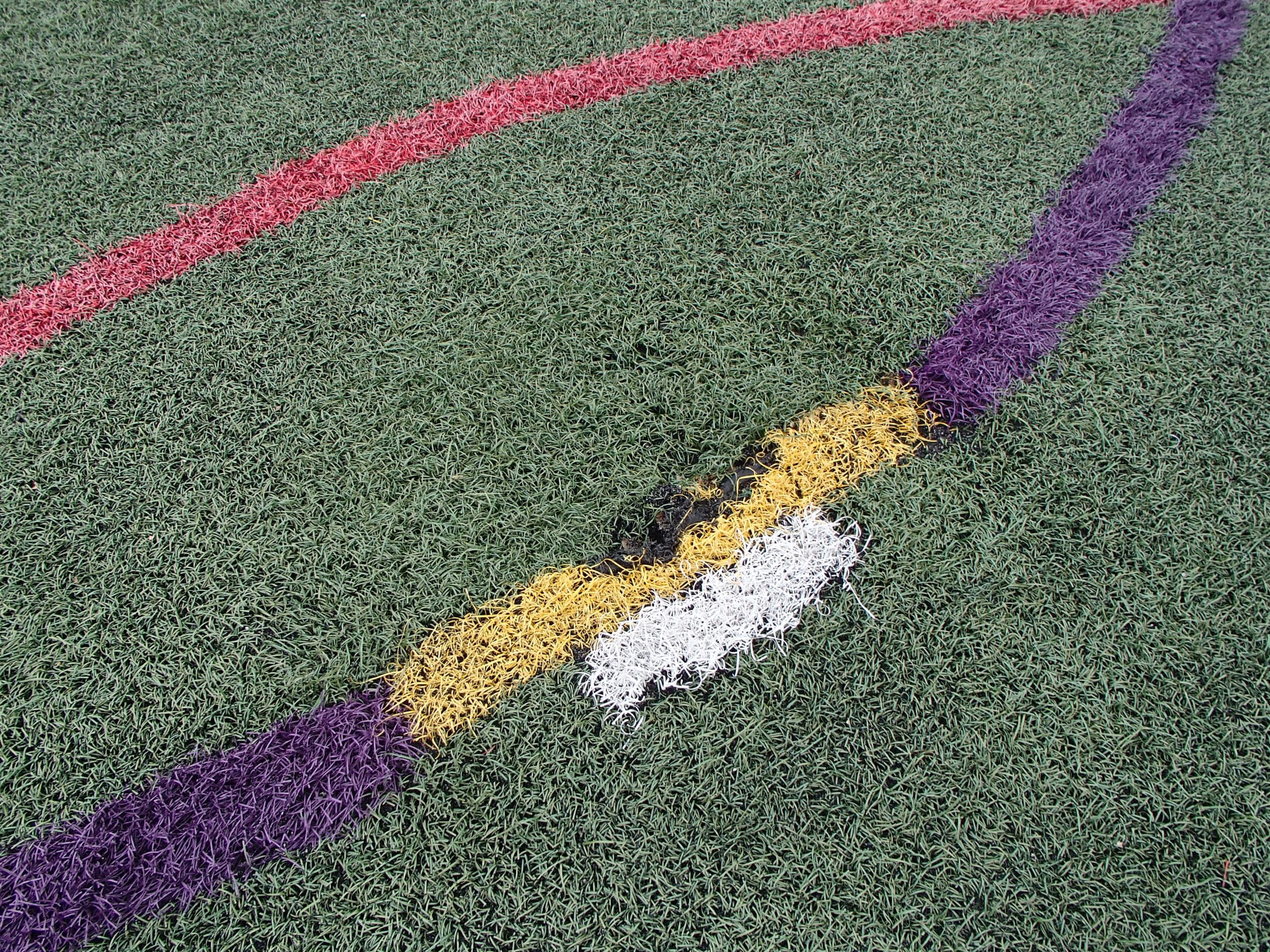
Repair services for seam separation, worn traffic paths, edge lift, and spot damage in synthetic grass systems.
Learn More
Pre-installation consultation, layout planning, material selection guidance, and scope development for local projects.
Learn MoreYes. We handle removal regardless of who installed the original turf. We assess access and logistics during a quick site review before scheduling the removal crew.
We haul all removed turf material off the property. We don't leave it stacked in the driveway or backyard unless you specifically want to keep a section.
Yes. Removal-only is available. We'll do a base condition assessment after the turf is off so you have accurate information when you're ready to decide what comes next.
Some disturbance of the top layer of base material is normal. The bulk of the aggregate base usually stays in place. We assess what's undisturbed after removal and tell you what it will take to prep the base for a new install.
Usually yes. We cut the turf into smaller sections and move them out through narrow gate openings. Very narrow access may slow the work but it rarely prevents it. We confirm access dimensions before scheduling.
Project Request
Tell us the approximate square footage and your access situation. We'll confirm logistics and schedule a removal date.